
Why You Should Avoid Puppies for Sale from High-Volume Commercial Dog Breeders
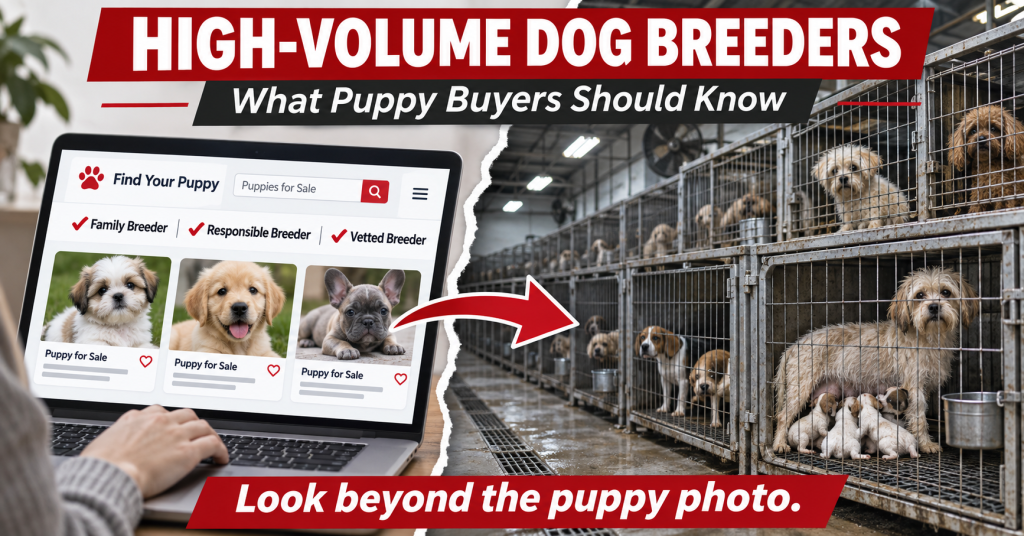
Puppy broker websites can list hundreds of puppies from multiple breeders. Some source puppies from high-volume commercial breeding facilities, while polished websites can make it difficult for buyers to determine who actually bred the puppy or see where the breeding dogs live. High-volume commercial breeders produce puppies for sale through online platforms, pet stores and brokers. Many are USDA-licensed and may house large numbers of breeding dogs to supply the pet trade.
This page explains how high-volume breeding works, why it raises animal-welfare concerns, and what puppy buyers should research before paying.
What Are High-Volume Commercial Dog Breeding Facilities?
High-volume commercial dog breeders produce puppies for sale through online platforms, pet stores and brokers. Many are USDA-licensed and may keep large numbers of breeding dogs to supply the pet trade.
These operations vary in size, but the most important questions are the same: How are the dogs housed? How often are they bred? What veterinary care do they receive? And are puppy buyers allowed to see where the dogs actually live?
Where High-Volume Dog Breeders Are Concentrated
Commercial dog breeding is concentrated in several areas of the country, including parts of Pennsylvania, Ohio, Indiana, Illinois, Missouri, Iowa and other states. Some of these breeding clusters are located in rural and Plain-community areas.
Concerns with High-Volume Breeding
Challenging Living Conditions
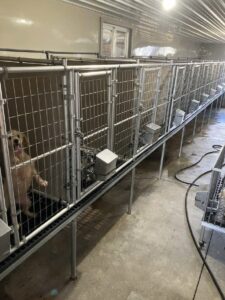
Dogs in high-volume facilities may live in confined spaces with limited exercise or socialization opportunities. USDA regulations allow cages to be 6 inches larger than the dog, made of wire, stacked, which can restrict movement and affect well-being. Conditions vary from facility to facility, but some commercial kennels operate at minimum legal standards that may still fall far short of what most puppy buyers would expect for a companion animal.
Limited Veterinary Care
To cut costs, some commercial facilities provide minimal veterinary care. Breeding dogs may lack regular checkups, and puppies could be at risk for health issues like infections or genetic conditions. Puppies from these kennels, common in searches for “puppies for sale near me,” may develop health problems that lead to costly veterinary bills.
Behavioral Development Issues
Puppies and breeding dogs in high-volume facilities often receive limited socialization, critical for a well-adjusted temperament. Without early human interaction or exposure to varied environments, puppies may struggle to adapt to home life, showing fearfulness or behavioral challenges.
Why Buyers Should Be Cautious
A polished online listing does not tell you how the breeding dogs live. Before paying, buyers need to know who actually bred the puppy, where the mother dog lives and whether they can visit the property in person.
Health Concerns: Undetected genetic or health issues can emerge after purchase, leading to unexpected costs.
Lack of Transparency: Online sellers or pet stores may not clearly disclose the puppy’s breeder or where the breeding dogs live.
Variable Standards: Some Amish breeders participate in programs like Canine Care Certified to improve conditions, but USDA inspections still note issues like inadequate housing or care in certain facilities.
Ethical Considerations
Buying from a high-volume operation can support a breeding system in which dogs are treated primarily as production animals. The concern is not simply the number of dogs. It is whether their physical, behavioral and veterinary needs are being met throughout their lives.
Regulatory Oversight
USDA-licensed facilities, including many in Amish communities in states like Ohio and Pennsylvania, undergo inspections, but oversight can be inconsistent. Inspections are risk-based, so some kennels may go years without review. When issues like sanitation or health care are noted, enforcement is often limited, leaving buyers to navigate risks when searching for “puppies for sale near me.”
Alternatives to Commercial Breeding
Instead of buying from high-volume facilities, consider these ethical options:
Adopt from Shelters or Rescues: Shelters across the U.S. offer thousands of dogs of all breeds and ages that are already vetted. Websites like Petfinder.com list over 130,000 adoptable dogs, providing a humane alternative.
Choose Responsible Breeders: Look for breeders who prioritize health, socialization and transparency. A responsible breeder should be willing to show you where the dogs live, let you meet the mother dog, and provide appropriate health-testing records. Breed clubs such as the Poodle Club of America or Golden Retriever Club of America can be a useful starting point for breeder referrals, but buyers should still do their own research before purchasing a puppy.
Research the Breeder: Research the breeder’s license and inspection history, ask for breed-specific health testing, meet the mother dog and visit the property where the dogs live.
Tips for Finding a Puppy
To find a healthy, ethically bred puppy:
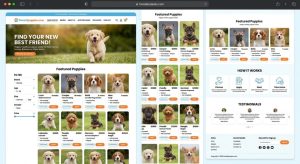
- Avoid puppy broker websites selling many different breeds that list hundreds of puppies.
Research Thoroughly: Check the breeder’s license and inspection history and review any documented violations before paying. especially for Midwest kennels in Amish areas like Lancaster, Pennsylvania, or Shipshewana, Indiana.
Visit in Person: Visit the breeder, meet the mother dog and see where she, the puppy and the breeder’s other dogs live.
Ask Questions: Inquire about health testing, socialization, and care practices. Responsible breeders are transparent, unlike many high-volume facilities.
Avoid Online-Only Purchases: Listings for “puppies for sale near me” often source from Amish-run commercial kennels. Verify sources, as platforms like PuppySpot or Lancaster Puppies may connect to large-scale operations.
Conclusion
Before you pay for a puppy, look beyond the website and the puppy photo. Find out who actually bred the puppy. Meet the mother dog. See where and how all of the breeder’s dogs live. Research the breeder’s license and inspection history before making a decision.
If you cannot visit, cannot meet the mother dog, or cannot see where the dogs live, walk away.