

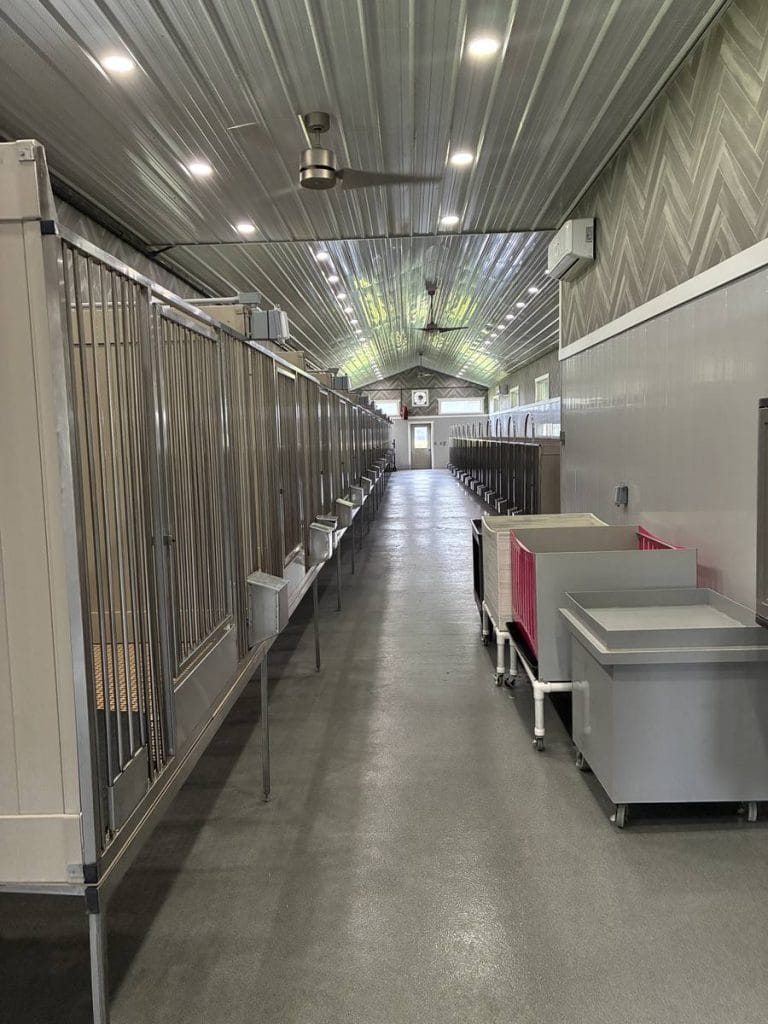
Puppy photos online are marketing. The people behind them are a business — and in many cases, a licensed, inspected commercial dog breeding business whose records are open to the public. Before you fall for a photo of a puppy on a website, you can look the seller up yourself. It takes about two minutes, and it tells you what a polished website never will. Of course, puppy broker websites do not list their breeders and you often don’t get breeder information until you pay in full or the puppy is delivered.
A licensed commercial dog breeder is a high volume operation that some states or the federal government license and inspect. Those inspection reports can tell you what kind of commercial license the breeder has, how many breeding dogs and or how many puppies the breeder sells per year. These reports can also describe crowded cages, sick dogs, and can show the same violations year after year. Some states publish their licensee lists and inspection records for anyone to read. This page gathers the official lookups in one place so if you have a breeders name, you can check to see for yourself — not take a stranger’s or websites word for it.
Start here: the national USDA database
Any breeder who sells puppies across state lines, or wholesale to pet stores, is generally required to hold a federal USDA license. This is the widest net you can cast, and the best place to begin. The USDA Animal Care Public Search Tool lets you search licensed breeders and dealers by name, license number, or state, then read their actual inspection reports and annual animal-count records. The database can be tricky and entering to many fields can produce no results. Less is more, try last name and state first.
A shortcut: plain-language breeder profiles
The official databases above are the source of truth, but their inspection reports arrive as dense government PDFs. Pawthenticity is a free nonprofit project that does the reading for you. It collects public USDA inspection records and turns them into searchable, plain-language breeder profiles — look up a breeder by name, state, or breed and see their license status, recent inspection dates and outcomes, how many dogs were on site, and direct links to the original USDA reports. It covers 2,300+ licensed breeders and more than 20,000 inspection reports across all 50 states, so it’s a fast way to read a seller’s record before you ever reach out.
Look up breeders licensed by their state
Federal licenses miss many smaller sellers. A number of states run their own inspection programs and post the results online. If you know where a breeder operates, check that state’s list too. Below are the states that currently publish this information.
Ohio — Commercial Dog Breeders & Brokers
The Ohio Department of Agriculture licenses high-volume dog breeders and dog brokers and publishes the current lists. It’s a good place to check anyone moving a large number of puppies through the state.
Pennsylvania — Kennel License & Inspection Search
Search any licensed Pennsylvania kennel and read its full inspection history, including violations. Pennsylvania was once known as the “puppy mill capital of the East,” which makes this database especially worth a look.
Illinois — Animal Health & Welfare Licensees
The Illinois Department of Agriculture posts everyone licensed to do animal business in the state — dog breeders, kennels, and pet dealers. The Animal Health and Welfare licenses are listed at the top of the page.
Iowa — Animal Welfare Licensing List
Iowa is home to some of the country’s largest commercial breeding operations. The state’s searchable animal-welfare licensing list shows who is licensed, in which county, along with license numbers and expiration dates.
Wisconsin — Find a Licensed Dog Breeder or Seller
Wisconsin’s Department of Agriculture, Trade and Consumer Protection keeps a searchable directory of every dog breeder and seller licensed under its dog-seller law. Look up a name before you drive out to meet a litter.
Kansas — Licensed Animal Facilities
Kansas lists its licensed pet facilities — breeders, kennels, and dealers — organized by county through the Animal Facilities Inspection Program. Choose the county the seller operates in to see who’s licensed there.
Don’t see the state you need? Not every state posts this information online, and many that do only license breeders above a certain size. Start with the USDA search above, then Pawthenticity.com. We add states to this page as their public databases come online. For more on avoiding online puppy scams, see our guide to buying a puppy online.
How to use these lookups
A license number isn’t a gold star — it only means someone is being watched. Here’s how to read what you find.
- Get a real name and location. Ask the seller for their business name, license number, and the city and state where the dogs are kept. A breeder with nothing to hide will give you all three.
- Search the databases. Run that name through the USDA tool and the seller’s home-state list. For someone selling many puppies, no match at all could be a warning sign.
- Read the inspection reports. Where reports are posted, open them. Look at the dates, the number of dogs on site, and any “non-compliant items.” Patterns matter more than a single note.
- Trust the record over the website. Glossy photos and a heart-tugging story are marketing. Breeders with commercial breeding licenses are in business to sell puppies. You need to ask yourself if this is the kind of business you want to support.
Red flags to watch for
- The seller won’t share a license number or the location where the dogs are kept.
- Repeat violations for the same problems — dirty enclosures, sick dogs, no vet care — across multiple inspections.
- A big gap between the website and the record: “raised in our home” on the site, hundreds of dogs on the inspection.
- They will only meet in a parking lot, or ship a puppy sight-unseen and never let you visit where it was raised.
The databases linked on this page are operated by third-party agencies. Stop Online Puppy Mills provides these links for public education only; we do not control, host, or guarantee the accuracy, completeness, or availability of any external database. A government license means a breeder is regulated — it is not an endorsement or recommendation by us. The puppy industry is huge and remember, they sell puppies for profit. Get educated. Always do your own research before buying a puppy, and please consider adopting from a shelter or rescue first.