

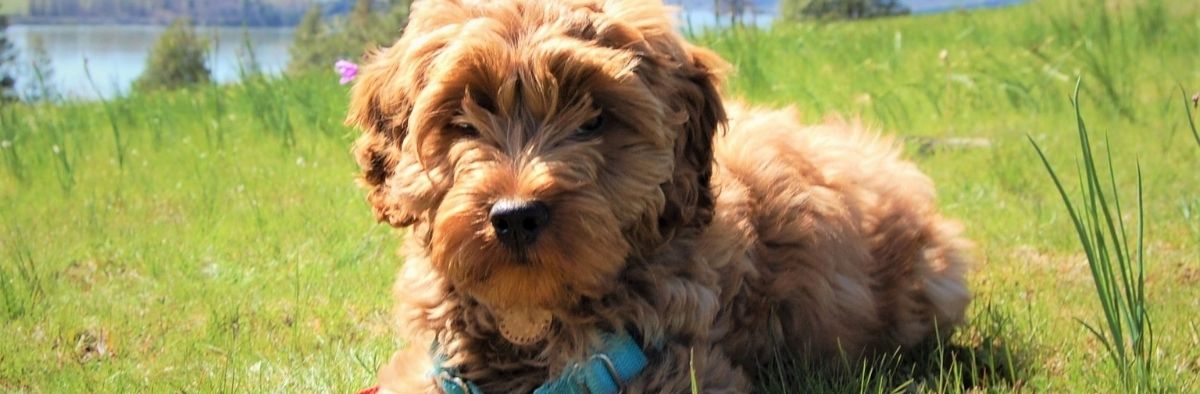
Labradoodle & Mini Labradoodle Puppies: What to Know Before You Buy
The Labradoodle is a cross between a Labrador Retriever and a Poodle. Originally developed in Australia in the 1980s as a potential service dog that could be compatible with allergy sufferers, the Labradoodle has since become one of the most commercially produced designer dogs in the United States. Mini Labradoodles — bred using a Miniature or Toy Poodle instead of a Standard Poodle — are popular with buyers who want a smaller, apartment-friendly doodle.
That popularity has made Labradoodles a staple product for commercial dog breeders and online puppy brokers. Before you buy a Labradoodle or Mini Labradoodle puppy online, it is worth understanding how they are actually produced, what health issues to expect, and which red flags point to a puppy mill operation rather than a responsible breeder.
Why Labradoodles Are a Puppy Mill Target
Labradoodles and Mini Labradoodles are a favorite product for commercial breeding operations for several reasons:
- Consistent demand. Labradoodles have been popular for more than two decades and continue to sell year-round.
- Solid price points. Standard Labradoodles typically sell for $1,500 to $3,500, and “rare” colors or Mini/Micro sizes can push prices to $4,000 to $6,000 or more.
- “Hybrid vigor” and allergy-friendly marketing. Commercial breeders lean heavily on the idea that Labradoodles are automatically healthier and non-shedding. Neither claim is guaranteed.
- Wide coat and size variation. Because Labradoodle coat type is unpredictable, commercial breeders can sell “Standard,” “Medium,” “Mini,” and “Micro” sizes, with “fleece,” “wool,” and “hair” coats, at different price tiers.
- Online sales channels. Labradoodles sell through online puppy brokers, classifieds, doodle networks, and slick single-breeder websites that make commercial operations look like small farms.
How Mini Labradoodles Are Actually Produced
When most buyers see a Mini Labradoodle listing, they picture the parents meeting and producing a litter naturally. For Standard Labradoodles, that can happen. For Mini and Micro Labradoodles, it typically cannot.
A Labrador Retriever female typically weighs 55 to 80 pounds. A Miniature or Toy Poodle male typically weighs 10 to 15 pounds. Natural breeding between dogs of that size difference is physically impossible. To produce Mini Labradoodle litters, commercial breeders almost always use artificial insemination — collecting semen from the small Poodle male and inseminating the much larger female, or inseminating a smaller F1 or multigen Labradoodle female.
This is an industrial breeding practice. It is one of the main reasons Mini and Micro Labradoodles are so closely tied to commercial breeding operations. When you see a Mini Labradoodle listing, it is fair to assume the puppy came from a facility that produces multiple litters per year through planned artificial insemination cycles.
Health Issues Labradoodles Can Inherit
Labradoodles can inherit health problems from either the Labrador or the Poodle side. In commercial breeding operations, where breeding dogs are not health-tested and genetic screening is skipped to save cost, those problems show up more often — and buyers pay the veterinary bills.
Hip and Elbow Dysplasia
Both Labradors and Poodles can inherit hip and elbow dysplasia. These are malformations of the joint that lead to arthritis and, in severe cases, surgery. Responsible breeders screen both parents through OFA or PennHIP before breeding. Commercial breeders typically do not.
Progressive Retinal Atrophy (PRA) and Other Eye Conditions
PRA, cataracts, and other inherited eye conditions are known issues in both parent breeds. A CAER eye exam on both parents before breeding is standard practice for a responsible breeder.
Addison’s Disease
Standard Poodles have an elevated risk of Addison’s disease, a hormonal disorder that can be fatal if undiagnosed. Labradoodles from the Poodle side can carry that risk.
Ear Infections and Skin Issues
Labradoodles have drop ears and often have curly or fleece coats that trap moisture, making them prone to recurring ear infections and hot spots. Grooming and ear care are ongoing costs over the dog’s lifetime.
Labradoodle Online Scams to Watch For
Labradoodles and Mini Labradoodles are heavily marketed online. These are the most common scam patterns to watch for:
“Rare Color” and “Micro” Pricing Scams
Commercial breeders push prices up by marketing “chocolate,” “parti,” “phantom,” “merle,” or “Micro” Labradoodles as rare. Merle in particular is not a natural color in Labradors or Poodles and suggests the dog was bred with another breed in the line, sometimes with health consequences. A higher price tag does not mean a healthier dog — often the opposite.
“Hypoallergenic” and “Non-Shedding” Claims
No dog is truly hypoallergenic. Labradoodle coat type varies widely, even within the same litter, and a Labradoodle from a straight-coated “hair” line can shed as much as a Labrador. Be skeptical of any breeder who guarantees a non-shedding or allergy-safe puppy.
Australian vs. American Labradoodle Confusion
The “Australian Labradoodle” is technically a multigenerational breed that can include Cocker Spaniel and other lines in its background. Some sellers use the “Australian” label as a premium marketing tag without any Australian lineage at all. Ask for a pedigree, not a label.
Deposit Fraud and Fake Websites
Scam sites with stolen puppy photos are common. If a seller asks for payment by wire transfer, gift card, or cryptocurrency, or if the website has no physical address and no phone, it is almost always a scam.
Red Flags in Labradoodle Listings
If you are looking at a Labradoodle listing online, watch for these warning signs of a puppy mill or broker operation:
- The seller will not let you visit the property or meet the mother dog.
- Multiple litters in multiple colors and sizes are always available.
- The website shows stock photos or the same puppy photos across multiple listings.
- The seller pushes shipping, flight nanny, or delivery instead of in-person pickup.
- The breeder cannot produce OFA, PennHIP, CAER, or EIC test results for both parents.
- The contract does not include a health guarantee.
- The seller claims to be USDA licensed but will not share a license number.
- Prices are marked up significantly for “Micro” or “rare” designations without a medical or genetic basis.
How to Find a Responsible Labradoodle Breeder
A responsible breeder behaves very differently from a commercial breeder or online broker. You can read our full responsible breeder guide for details.
A responsible Labradoodle or Mini Labradoodle breeder will:
- Let you visit their home or kennel, meet the mother dog, and see where the puppies are raised.
- Show you OFA hip and elbow certifications, CAER eye exam, EIC DNA test, and PRA screening on both parents — not just a “vet check.”
- Produce only one or two litters per year, not continuous rolling litters.
- Be honest that Labradoodle coat type cannot be guaranteed and that no dog is truly hypoallergenic.
- Ask you questions about your home, activity level, and experience with high-energy dogs.
- Provide a written contract with a health guarantee and a take-back clause.
- Discourage shipping a young puppy sight-unseen.
If a Labradoodle breeder refuses to let you meet the mother dog or visit in person, that is one of the most important warning signs you will see. Also review our watchdog database of online puppy brokers before you send any deposit.
Labradoodle Rescues and Breed Resources
Labradoodles and Mini Labradoodles end up in rescue more often than most buyers realize. Owners underestimate the energy level, grooming needs, and cost, and commercial breeding operations regularly dump retired breeding dogs through dog auctions. Rescue is always an option to consider first.
IDOG Rescue — A national doodle rescue that takes in Labradoodles, Goldendoodles, Bernedoodles, and other doodle mixes surrendered by owners or pulled from shelters.
Doodle Rock Rescue — A Texas-based doodle rescue that pulls doodles of all sizes, including Labradoodles, from shelters and commercial breeding operations.
Labrador and Poodle breed rescues — All-breed and parent-breed rescues (Lab Rescue, Poodle Club rescues) regularly take in Labradoodles, especially adults and seniors.
Local shelters and all-breed rescues — Petfinder and local humane societies are a good first stop. Many Labradoodles are surrendered within the first two years.
Final Word
Labradoodles and Mini Labradoodles are a staple product of the commercial dog breeding industry. The Mini and Micro sizes in particular are almost always produced through artificial insemination in high-volume facilities — a reality that is never pictured in the marketing photos.
If you are going to buy a Labradoodle, take the time to meet the breeder, meet the mother dog, see the property, and verify health testing on both parents. If you are adopting, there are Labradoodles in rescue right now waiting for a home. And if you believe a breeder or broker is running a puppy mill operation, please Report a Puppy Mill