

How Online Puppy Breeders Are Selling Puppies in 2026: What We Found Visiting 6 Lancaster County Breeders
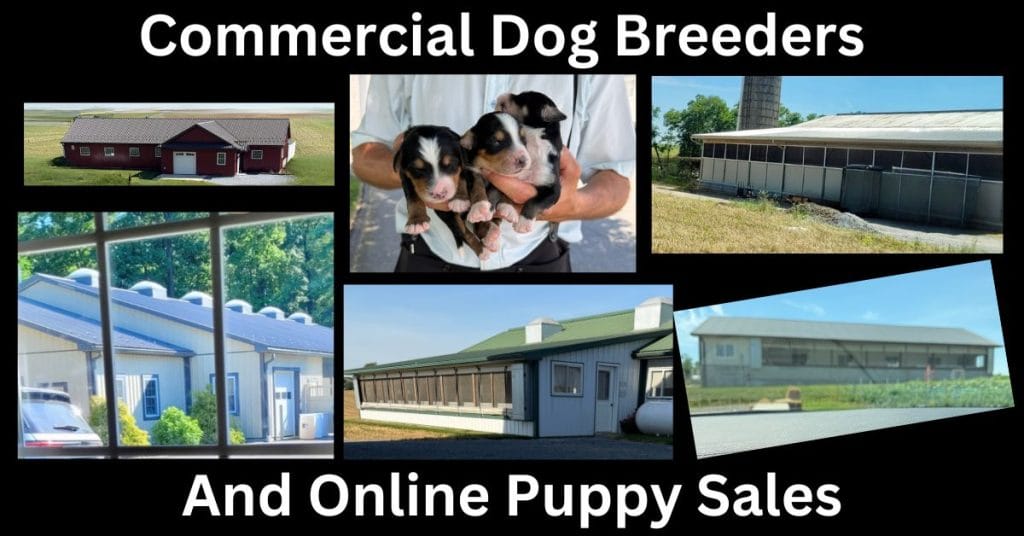
Stop Online Puppy Mills visited six commercial dog breeders selling puppies online in Lancaster County, Pennsylvania. We did not see what you might picture: dirty cages, overcrowding, sick dogs. What we found is how breeders are selling puppies online today — a professional, polished sales approach.
What We Saw at Each Visit
The puppies we saw at all six breeders were clean, healthy, and friendly. Some breeders had dedicated visit rooms, some used their kitchens, and others used offices in their barns. Each breeder answered our questions easily, like they had answered the same questions many times before.
The six different breeders were not related to each other, but we heard the same talking points in almost the same order, at each visit.
We asked to see where the where the adult breeding dogs live and to meet the mother of the puppies we were viewing. One breeder let us meet a mom but every breeder said no to seeing where the dogs live. The reason all of them gave us was always “biosecurity.”
We asked each breeder how many dogs they had and they all answered giving us vague numbers, usually “around 30,” with no other specifics. We knew the breeders we were visiting were licensed for more than 30 and the buildings housing the dogs were all very large.
Several of the breeders said they retire their breeding dogs to rescue groups around age six.
Within 10-20 minutes into the visits, the breeder’s children would enter the room. They would then talk about how well the puppies are socialized with kids.
Hearing the same script from unrelated sellers is not a coincidence. The breeders are being trained on what to say to buyers and how to say it.
The Biosecurity Excuse Does Not Hold Up
None of the breeders would let us see the kennel area and used the same word to explain why we could not: biosecurity. Real biosecurity protects animals from outside contamination that visitors could bring in. That means things like disinfecting shoes or asking about contact with other animals.
None of that happened. We sat down and held 8-week-old puppies within minutes of arriving. we even met 10 day old puppies and were able to hold them. No one gave us shoe coverings or asked where else we had been that day. If biosecurity were the real concern, it should apply to puppies too. Their immune systems are even less developed than adult dogs. It did not apply. Breeders use the “biosecurity” answer to keep buyers out of one specific place: the building where the adult breeding dogs live.
We will cover biosecurity claims used by online puppy sellers in more depth in an upcoming post.
The One Breeding Mother We Saw
At one farm, we met a breeding mother dog. Her puppies had already been weaned. The breeder had shaved her down, and without her coat, she looked thin. She was very hand shy and fearful around us, but she leaned toward us anyway. She still wanted to trust people despite being afraid.
At another farm, the breeder would not bring out the mother of the puppies we were viewing. Instead, she brought out the mother’s sister, a dog who had not yet been bred. A breeder confident in the condition of her breeding dogs has no reason to bring out a different dog instead.
What Happens to Retired Breeding Dogs
Four of the six breeders said they “retire” their breeding dogs to rescue groups around age six. One said these dogs deserve families too and made it seem like getting the familes was their gold watch for so many years of service. We checked on this and it was confirmed.
We asked one breeder if we could buy a retired dog directly from her instead of going through a rescue. She said she would rather give the dog to the rescue, since rescues know how to handle and process “these” dogs. She also said her veterinarian and the veterinarians used by rescue groups and families are different. When we asked her what that meant she implyed to us vets caring for dogs in breeding kennels see issues that family vets would care for differently. It is documented that common issues of dogs coming from commercial breeding kennels commonly arrive with dental disease, chronic ear infections, skin conditions, and fear of being touched.
Some Dog Breeds Are Dropped When the Risk Is Too High
Two breeders told us they no longer breed toy poodles because too many mothers and puppies die. One also mentioned French Bulldogs for the same reasons. One breeder said it plainly: it’s a lot of work, some die, and it’s not worth the time and effort.
He stated it as a business decision based on loss rates. These kinds of breeders are not changing how they breed these dogs to reduce deaths, instead, they switch to breeds that survive the process more reliably.
Plain Lifestyle Using Modern Profit Driven Tools
All of the breeders we visited were licensed commercial dog breeders in business to breed dogs for profit. All of them were Amish or Plain People. All of them used cell phones. One sent a text message. One used a computer to show us something online. One wore a wireless earpiece and took a phone call while we were there. Two of them let us take pictures of them.
Several of the breeders we visited run their own websites with their own domain names, separate from puppy marketplace sites like Lancaster or Greenfield Puppies. They explained they capture more buyers using these marketplace listings. Their websites are listed and buyers are redirected to their website to complete the sale. This allows breeders use marketplace traffic to build their own customer base and capture more buyers. They also sell direct, explaining this as selling retail. At least three breeders said their teenage sons also breed and sell dogs.
Why This Matters for Puppy Buyers
Every puppy we saw was healthy and clean. These were well run businesses and that is exactly why buyers struggle to recognize this compared to the puppy mill conditions most people picture. Nothing looks visibly wrong in the 30 minutes a buyer spends in that room.
The healthy puppy in front of a buyer is not the full picture. The real question is what life looks like for the mother and the other adult dogs in the building next door or down the lane, the one they won’t let you see.
What Puppy Buyers Should Do
A friendly, polished visit tells you about the seller’s sales skills. It does not tell you about the dog’s history or living conditions.
If a breeder says “biosecurity” as the reason you cannot see where the adult dogs live, ask why that same standard did not apply when you held and played with the puppies.
Ask to see the actual mother of your specific puppy, not a different dog. If they say no, that is a huge red flag.
We don’t suggest ever buying a puppy from marketplace websites like Lancaster, Greenfield, Keystore or Infinity Puppies.
Stop Online Puppy Mills will continue covering how online puppy sellers operate. Puppy mills are changing the way they look and how they sell and buyers need to be educated.
Stop Online Puppy Mills is the national nonprofit exclusively focused on online puppy sales and the commercial breeders behind them. Some in the pet industry are working to change the narrative allowing commercial dog breeding kennels to continue to operate. We feel dogs should not be commercially bred nor should consumers be misled into thinking their dogs are coming from small family breeders. Just because it is legal to commercially breed and sell puppies does not mean it is right or humane. Learn more at stoponlinepuppymills.org or follow @stoppupemills.